Category: Blog

  • How Aveon Offshore Supports Nigeria’s Oil Industry with Advanced Engineering Solutions

    How Aveon Offshore Supports Nigeria’s Oil Industry with Advanced Engineering Solutions

    Nigeria’s oil and gas sector plays a critical role in the nation’s economy, demanding advanced engineering solutions to drive efficiency, sustainability, and operational safety. As one of Nigeria’s largest engineering, procurement, and fabrication companies, Aveon Offshore is at the forefront of supporting the oil industry with tailored solutions designed to meet the sector’s unique and evolving challenges.

    Engineering for Efficiency and Reliability

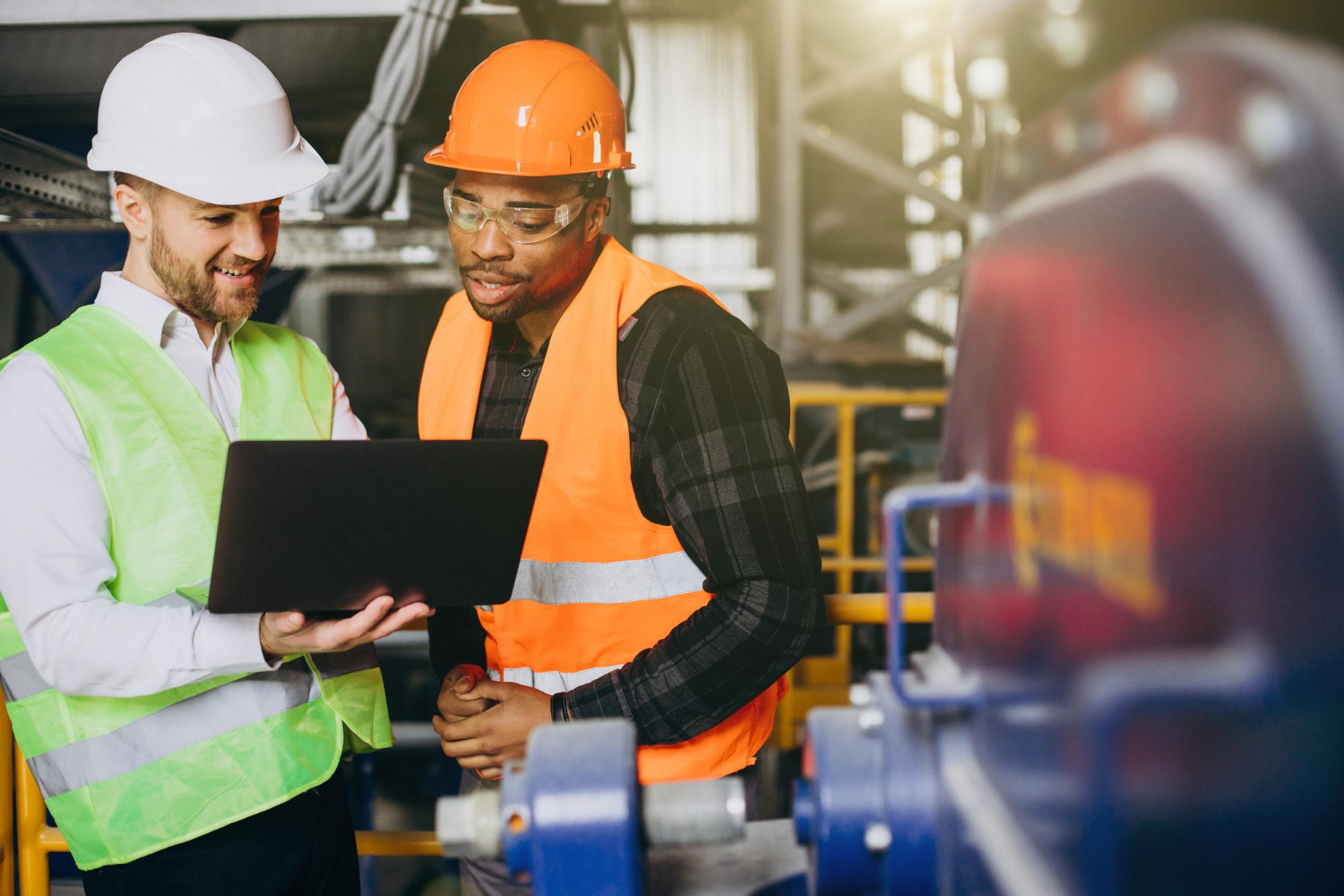
    Aveon Offshore specialises in delivering engineering solutions specifically designed for the complexities of the oil and gas sector. By leveraging advanced technologies and a highly experienced workforce, we enhance project efficiency and operational reliability. Whether it is structural engineering for offshore platforms or customised piping and mechanical systems, Aveon’s expertise ensures seamless operations, minimising downtime and optimising productivity for our clients.

    Building Nigeria’s Energy Future

    Aveon Offshore has been instrumental in the development of critical infrastructure that supports Nigeria’s oil industry, including pipelines, offshore platforms, and refinery components. Our proven track record includes successful execution of projects for leading companies like Chevron, Shell, and ExxonMobil. These projects are defined by the delivery of high-quality, durable structures built to endure the high demands of oil and gas extraction and processing.

    Investing in Nigeria’s Economy

    Aveon Offshore is fully compliant with Nigeria’s local content regulations, reflecting our commitment to empowering the local economy. We prioritise hiring local talent, sourcing materials locally, and investing in skills development programs to enhance Nigeria’s industrial capabilities. This approach not only creates significant employment opportunities but also strengthens the country’s long-term industrial resilience, ensuring that our projects benefit the wider community.

    Safety and Environmental Standards

    Aveon Offshore adheres to stringent safety and environmental standards, ensuring that every project protects the workforce, the surrounding community, and the environment. Our comprehensive Health, Safety, and Environment (HSE) protocols underpin all our operations, emphasising safety as a top priority.

    Additionally, Aveon Offshore proactively advises clients on incorporating equitable levels of environmental safeguards into designs and construction programs. Where potential hazards fall outside existing regulations or client policies, we provide expert guidance to ensure robust environmental protection measures are implemented.

    Conclusion

    With a strong focus on advanced engineering, compliance with local content requirements, and a steadfast commitment to safety and sustainability, Aveon Offshore continues to be a driving force in Nigeria’s oil and gas industry. As we look to the future, our dedication to innovation and resilience remains unwavering, positioning us to contribute to a sustainable and robust energy sector for Nigeria.

  • Aveon Offshore’s Role in Building Nigeria’s Oil and Gas Infrastructure

    Aveon Offshore’s Role in Building Nigeria’s Oil and Gas Infrastructure

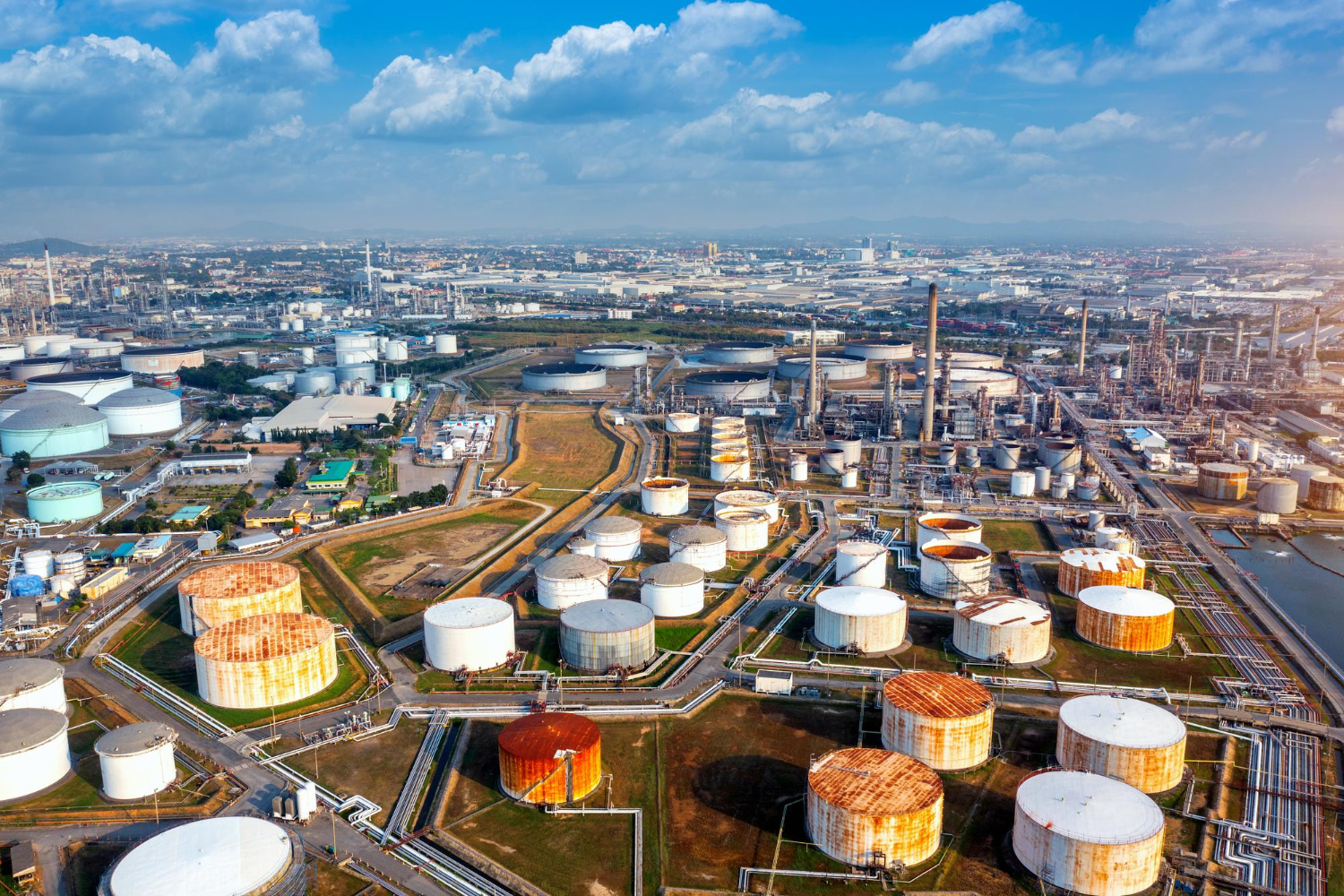
    The success of Nigeria’s oil and gas sector relies on the strength of its infrastructure—complex, high-quality structures that require advanced fabrication techniques and meticulous precision. With its expansive fabrication yard and a team of seasoned experts, Aveon Offshore has become a cornerstone of the industry, delivering critical components that meet the most demanding local and international standards.

    Specialized Fabrication Services for the Oil and Gas Sector

    Aveon Offshore offers a comprehensive range of fabrication services tailored to the specific demands of the oil and gas industry. Our expertise includes the production of topsides, bridges, decks, process skids, and other essential structures. Operating out of our state-of-the-art fabrication yard in Port Harcourt, which boasts a capacity of over 10,000 tons of steel annually, we efficiently manage large-scale projects and complex assemblies, supporting both offshore and onshore operations with unparalleled precision and durability.

    Local and International Compliance

    Every project we undertake aligns with the most rigorous local and international standards, including ASME, NB, ANSI, BS, AWS, NAPC, and API certifications. These standards ensure that our structures are not only safe and durable but also optimised for performance in the demanding conditions of the oil and gas industry. Our commitment to quality, reinforced by stringent inspections and certifications, has earned us the trust of global clients such as Shell, Total, and Chevron.

    Offshore Support Services

    Aveon Offshore provides around-the-clock offshore support to ensure the seamless construction, operation, and maintenance of offshore facilities. Our highly skilled team is prepared to address any challenges swiftly, minimising disruptions and ensuring smooth operations. This unwavering reliability has made us a preferred partner for Nigeria’s top oil and gas companies.

    Delivering Success for Major Oil Companies

    Aveon Offshore’s portfolio is a testament to our ability to deliver complex projects with precision and reliability. Highlights include the fabrication of subsea manifolds for Total’s deepwater projects and the assembly of topsides for ExxonMobil. These achievements underscore our commitment to excellence and our capacity to execute large-scale, high-stakes projects that meet and exceed client expectations.

    Conclusion

    Aveon Offshore’s advanced fabrication capabilities, commitment to quality, and dedication to continuous support have established us as a leader in building Nigeria’s vital oil and gas infrastructure. By delivering innovative solutions and maintaining the highest standards, we continue to play a pivotal role in shaping the future of Nigeria’s energy sector.

  • Aveon Offshore’s Commitment to Sustainable Growth in Nigeria’s Oil Sector

    Aveon Offshore’s Commitment to Sustainable Growth in Nigeria’s Oil Sector

    As the global energy landscape evolves, the adoption of sustainable practices has become a central focus. Aveon Offshore is at the forefront of this transformation in Nigeria, championing Environmental, Social, and Governance (ESG) principles. Our commitment to reducing environmental impact, empowering communities, and upholding ethical governance sets a new benchmark for responsible operations in the oil and gas industry.

    Reducing Our Environmental Footprint

    Aveon Offshore takes proactive measures to minimise the environmental impact of our operations. By incorporating waste reduction strategies, optimising energy efficiency, and implementing robust pollution control measures, we align with global standards for environmental sustainability. Our fabrication processes are designed to reduce emissions and conserve resources, ensuring that we contribute to preserving Nigeria’s natural environment for future generations.

    Supporting Communities and Building Capacity

    At Aveon, we believe in fostering growth and resilience within the communities we serve. Through job creation, skill development initiatives, and educational support, we drive socio-economic development. Our Corporate Social Responsibility (CSR) programs include partnerships with local schools, healthcare facilities, and vocational training centres to improve access to essential services. By prioritising local hiring and providing continuous training, we build capacity within the industry while contributing to long-term economic stability in these communities.

    Ensuring Transparent and Accountable Operations

    Integrity and transparency are core to Aveon Offshore’s operations. We adhere strictly to regulatory requirements and uphold ethical practices at every level of our organisation. This focus on good governance strengthens trust among our stakeholders, ensuring accountability and reinforcing Aveon’s reputation as a reliable and responsible industry leader.

    Leading the Way in Sustainable Practices

    Aveon Offshore is committed to expanding our ESG initiatives to further integrate sustainability into every aspect of our operations. By adopting innovative approaches and strengthening our commitment to environmental stewardship, social responsibility, and ethical governance, we aim to serve as a model for sustainable growth in Nigeria’s oil and gas sector.

    Conclusion

    Aveon Offshore’s unwavering dedication to ESG principles reflects our vision for a sustainable future in Nigeria’s oil industry. Through environmental stewardship, community investment, and transparent governance, we are building a lasting legacy of responsible operations that benefits our clients, communities, and the nation as a whole.

  • The Importance of Sustainability in the Future of Oil and Gas

    The Importance of Sustainability in the Future of Oil and Gas

    As global energy demands continue to rise, the oil and gas sector faces increasing scrutiny over its environmental impact and long-term sustainability. While the industry has traditionally been associated with high emissions and resource-intensive operations, recent shifts in strategy, technology, and policy have positioned sustainability as a critical focus. The future of oil and gas hinges on balancing energy production with environmental stewardship, driving innovation while meeting the needs of a changing world.

    The Role of Technology in Reducing Environmental Impact

    Advances in technology are at the forefront of efforts to reduce the environmental footprint of oil and gas operations. Innovations in carbon capture and storage (CCS) have enabled the safe removal of carbon dioxide from emissions, ensuring compliance with international climate goals. Similarly, digital tools such as predictive analytics and automation have optimised operational efficiency, minimising waste and energy consumption. The adoption of renewable energy sources to power extraction and refining processes further demonstrates the industry’s commitment to reducing dependency on fossil fuels for its own operations.

    Strengthening Local Communities

    The oil and gas sector plays a significant role in the economic development of the regions in which it operates. Beyond employment opportunities, it contributes to the growth of local businesses through supply chain partnerships and infrastructure investments. Companies that prioritise local engagement are fostering long-term partnerships with communities by addressing challenges such as education, healthcare, and skills development. Strengthening these relationships not only supports local economies but also ensures sustainable growth for the sector.

    Transitioning Towards a Lower-Carbon Future

    The global shift towards renewable energy sources is accelerating, with governments and industries pledging ambitious net-zero targets. While oil and gas will remain vital to the energy mix for the foreseeable future, companies must adapt to changing demands by diversifying their energy portfolios. Investments in hydrogen production, biofuels, and other cleaner alternatives allow the sector to contribute to the energy transition without compromising economic stability. These efforts are paving the way for a more balanced and sustainable energy future.

    A Collaborative Approach to Sustainability

    Achieving sustainability in the oil and gas sector requires collaboration among industry players, governments, and regulatory bodies. Clear policies, transparent reporting frameworks, and shared commitments to environmental and social goals are essential for progress. Public-private partnerships are emerging as effective vehicles for innovation and investment, ensuring the sector evolves in line with global expectations while maintaining competitiveness.

    Conclusion

    The oil and gas industry is at a crossroads, with sustainability no longer an option but a necessity. By embracing technology, supporting communities, and transitioning towards cleaner energy sources, the sector can redefine its role in the global economy. A collaborative and forward-thinking approach will ensure that oil and gas companies remain relevant while contributing to a more sustainable and equitable energy future.